After hip replacement · After knee replacement · After physical therapy
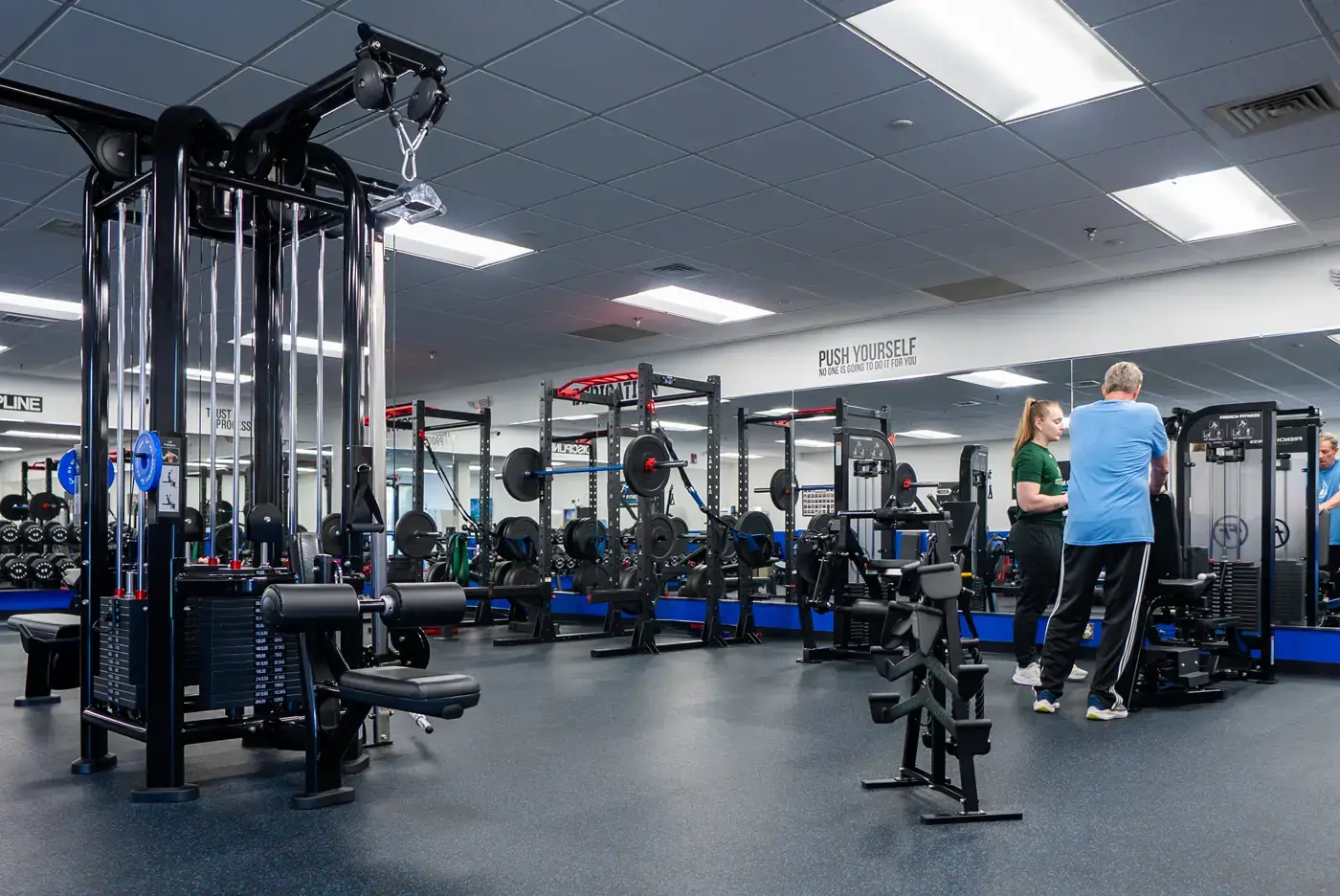
Private, one-to-one coaching for adults who have had a total hip or knee replacement and want the strength, balance and confidence back — not just the range of motion. We pick up where physical therapy discharge leaves off, working inside your surgeon's guidelines, in a private studio with no crowd.
Takes about an hour. You won't be asked to work out. We talk through your history, watch how you move, and tell you honestly whether we can help.
A joint replacement is a two-year project, not a six-week one. Surgery fixes the joint. Physical therapy gets you walking, bending and off the cane. But PT ends when insurance says it ends, usually well before the muscle around the new joint is back to full strength — and that muscle is what protects the joint, your balance and your other knee for the next twenty years.
Typical course after a total hip or knee replacement — yours may differ; your surgeon sets the pace
Day 0. New joint. Walking with help the same day or the next.
Weeks 1–8. Swelling, range of motion, walking pattern, stairs. Essential — do all of it.
You've "met your goals." You get a sheet of exercises and a handshake.
Months 2–6. No one watching. The sheet stops. Strength plateaus at 60–70% of the other side, and the limp lingers.
Months 2–24. Progressive, supervised loading of the whole leg and hip until both sides match — and stay that way.
Step 5 is what we do. We start the day your PT clears you, coordinate with your surgeon's restrictions, and keep adding strength long after the joint stops being the limiting factor. This is a description of a typical course of recovery, not medical advice — your surgeon and physical therapist are the authority on your timeline.
You met the goals on the sheet, but the leg still feels weaker, the stairs are still one-at-a-time, and nobody is checking your form anymore.
Favoring one side for months shifts load to the other knee, the hip and the back. Getting both legs equally strong is how you stop the next surgery.
Getting up from a low chair, kneeling in the garden, hiking a real trail, carrying groceries up the steps. Function comes back through strength, not time.
A replaced joint tolerates load well — that's the point of it. What limits most people a year later is the muscle that shrank in the months before and after surgery. Progressive resistance training, coached rep by rep, is how that comes back.
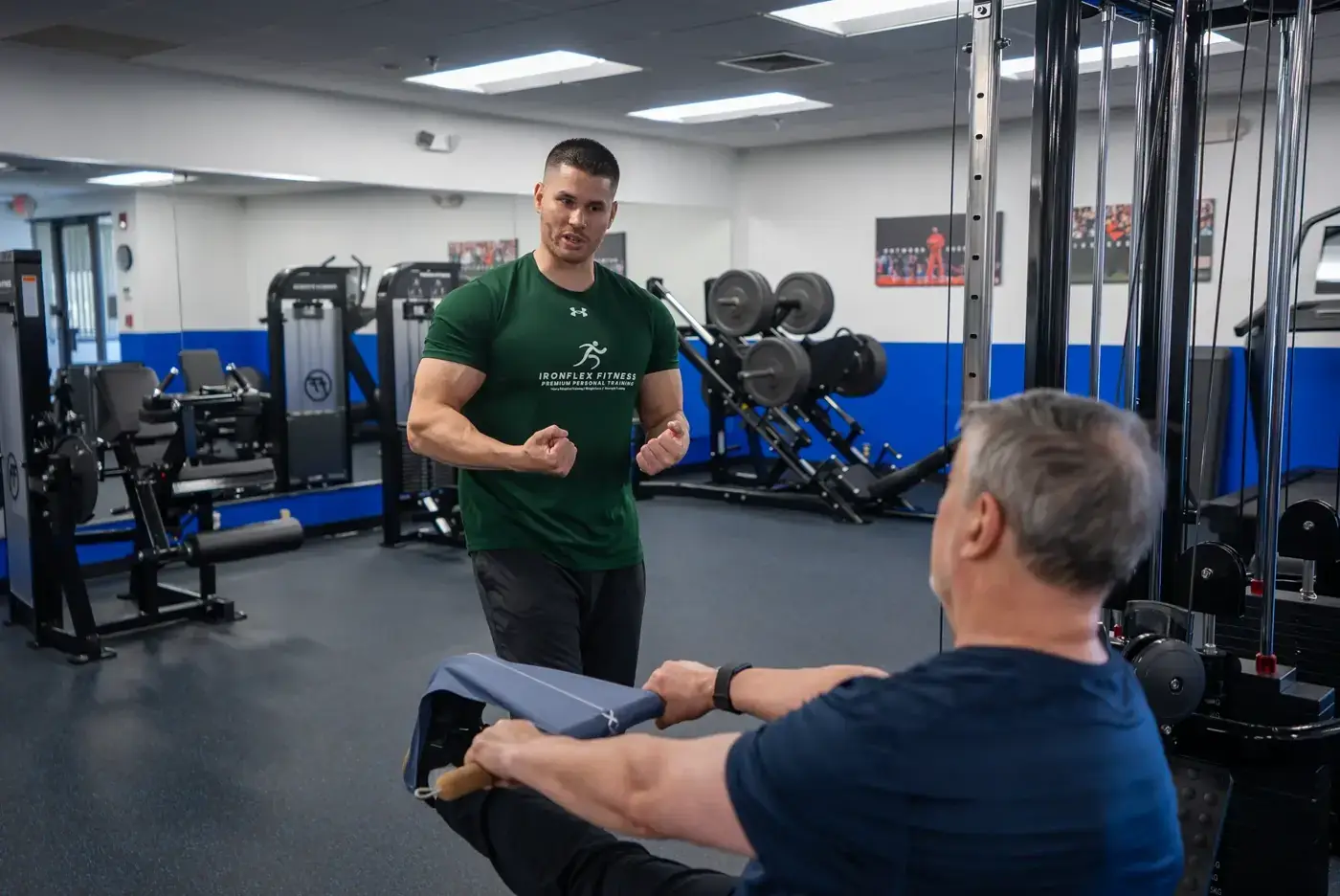
About an hour. No workout, no obligation, no sales pitch with a stopwatch.
Your surgery date, what PT covered, any precautions or restrictions, and what you want to be able to do again.
How you stand, walk, sit and stand, and reach. What you can do comfortably today — nothing more.
What we'd do, how often, and what it costs — in writing. If we're not the right fit, we'll say so and point you somewhere better.
No decision on the day is needed. Book when you're ready, or don't.
Also see: strength training for osteoporosis & low bone density · personal training for seniors — balance, strength and fall prevention · our private personal training studio
"Do yourself a favor and schedule that free introductory session — you will not regret it."— Brittany R., Google review
"He creates an environment where I feel safe, supported and empowered. Wherever you are in your fitness journey, there is a place for you here."— Jamie L., Google review
Testimonials reflect individual experiences and are not a guarantee of results.
Private studio · 20 Western Blvd, Glastonbury, CT 06033 · Free parking
Serving Glastonbury, South Glastonbury, Rocky Hill, Wethersfield, Marlborough, Hebron, Portland, East Hampton, Cromwell and Colchester.